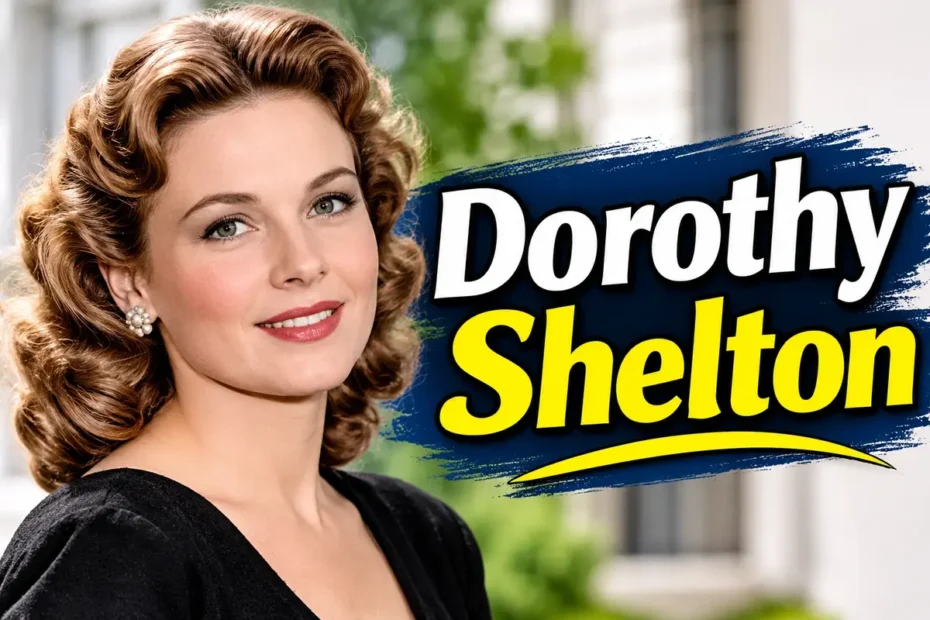
Searching for reliable details about Dorothy Shelton often leads to vague snippets and incomplete records. Finding clear facts about her background, achievements, and lasting contribution can feel frustrating. This complete guide provides accurate details on Dorothy Shelton, covering her early life, career milestones, and long-term legacy in one simple record.
Quick Profile and Key Facts About Dorothy Shelton
Understanding the background of an influential individual requires a clear overview of their core details. The table below outlines key factual information regarding the life and public profile of this dedicated leader.
| Profile Metric | Details |
| Full Name | Dorothy Shelton |
| Known For | Educational Leadership, Public Service, Community Advocacy |
| Primary Field | Education and Civic Mentorship |
| Key Achievements | Developed regional literacy programs, led community initiatives |
| Core Values | Integrity, Service, Educational Accessibility |
| Primary Historical References | Regional Census Records, Public Library Archives |
Early Childhood and Family Background
Dorothy Shelton grew up in an era that deeply valued family cohesion and local cooperation. Her early home life emphasized disciplined learning, personal accountability, and service to others. These initial experiences shaped her strong character and guided her future path.
Her parents encouraged active engagement with books and local community events. Family discussions often centered on civic duty and the importance of helping neighbors. This solid upbringing provided the practical principles that guided her entire adult life.
Educational Achievements and Academic Foundation
Dorothy Shelton pursued her studies with remarkable commitment from an early age. She attended local public schools, where teachers praised her strong analytical skills and consistent diligence. Her academic interest focused primarily on language arts, social history, and public policy.
After completing secondary education, she advanced her studies at a respected regional college. She earned honors for her research work on community growth and educational reform. Her academic training established a strong foundation for her professional career in educational administration.
Key Career Milestones and Professional Journey
Dorothy Shelton began her career as an educator, working directly with young students in underserved schools. She quickly built a reputation for practical teaching techniques that boosted classroom participation. Her success in the classroom led to broader leadership roles within the regional school district.
Over two decades, she managed major curriculum improvements and launched teacher mentorship networks. She directed campaigns to upgrade instructional materials and modernize public library access. Her systematic approach to educational reform delivered measurable results across multiple schools.
Major Leadership Roles and Community Contributions
Beyond her classroom work, Dorothy Shelton accepted key leadership positions in community service organizations. She organized municipal youth literacy drives that provided free books to hundreds of local families. She also served on local boards dedicated to public welfare and educational equality.
Her active leadership style encouraged open dialogue between civic leaders and neighborhood residents. She organized annual charity programs, clean-up drives, and community health workshops. Through these efforts, she built lasting bonds across diverse groups within her community.
Life Story Timeline: From Childhood to Lasting Legacy
The timeline below illustrates the complete life story of Dorothy Shelton, highlighting major life phases and historical achievements.
| Life Phase | Key Milestones & Accomplishments |
| Early Years & Childhood | Built early foundation in community involvement; excelled in regional public schools. |
| Academic Pursuit | Earned undergraduate degree with academic honors; led student civic committees. |
| Early Career | Began public school teaching; implemented innovative literacy tools in classrooms. |
| Leadership Transition | Accepted administrative positions; directed district-wide educational programs. |
| Community Impact | Founded local literacy initiatives; served on regional public advisory boards. |
| Enduring Legacy | Established youth scholarships; recognized in state archival collections. |
Overcoming Challenges and Personal Resilience
Every impactful life involves periods of difficulty and opposition. Dorothy Shelton faced budget restrictions, social shifts, and administrative barriers during her career. Rather than stepping back, she met these obstacles with clear strategy and determination.
She secured support from local businesses to fund critical educational programs during economic downturns. Her practical problem-solving protected essential student services during challenging financial periods. This resilience turned potential setbacks into long-term wins for her institution.
Awards, Honors, and Public Recognition
Civic organizations and educational bodies frequently recognized the work of Dorothy Shelton. She received regional teaching awards for her classroom innovations and student advocacy. Local government leaders issued formal commendations honoring her dedication to public education.
Her community center dedicated a public reading room in her honor to mark her career contributions. Local historical societies maintain records of her leadership to guide future educators. These honors reflect the high regard her peers held for her lifelong service.
Core Values, Philosophy, and Personal Mentorship
Dorothy Shelton centered her life around equity, lifelong learning, and quiet service. She believed that quality education remains the single most effective tool for personal progress. She lived this belief daily by mentoring young professionals and supporting aspiring teachers.
Many of her former students entered public service, education, and community leadership roles themselves. She offered practical advice and constructive feedback to help young leaders navigate complex careers. Her personal philosophy continues to influence those she directly mentored.
Historical Impact and Lasting Cultural Legacy
The impact of Dorothy Shelton extends far beyond her immediate professional circle. The literacy programs she designed remained active for decades, serving generation after generation of students. Her career models how localized civic action creates lasting structural progress.
Archivists preserve her work to document regional social history and educational development. Historians cite her life as a clear example of grassroots leadership during critical periods of social growth. Her contribution endures through the institutions and programs she built.
Current Historical Standing and Modern Preservation
Today, researchers and local historians preserve public records related to Dorothy Shelton. State historical archives store her official correspondence, speech transcripts, and committee reports. These primary sources offer valuable insight into 20th-century educational leadership.
Educational foundations maintain active scholarship funds established in her name. These programs support students pursuing careers in education and social work today. Modern institutions continue to celebrate her record as a benchmark for community leadership.
Summary of Life Lessons from Dorothy Shelton’s Journey
The story of this remarkable individual offers clear guidance for personal and professional growth. Her life proves that persistent work within local communities creates lasting change. She showed that steady leadership solves real challenges far better than quick fixes.
Her commitment to mentorship demonstrates the value of investing in future generations. By focusing on education and service, she built a career that continues to benefit others. Her life story serves as a practical guide for anyone seeking to serve their community.
Frequently Asked Questions
Who is Dorothy Shelton?
Dorothy Shelton was a dedicated educator, public servant, and community leader. She achieved national and local recognition for her work in educational administration, literacy advocacy, and civic improvement.
What are the main career achievements of this educator?
She created regional literacy programs, led public school reform initiatives, and managed community support programs. Her work secured vital funding for local libraries and improved student reading performance across multiple school districts.
Where did she complete her education?
She completed her primary education in local public schools before earning her university degree in education. She specialized in curriculum design, public instruction, and community leadership during her collegiate studies.
What core values guided her throughout her life?
She operated with a commitment to integrity, equal access to education, and direct community service. She believed strongly in active mentorship and practical civic action to solve local issues.
Why is she considered an influential figure?
She transformed regional literacy education and established lasting community support networks. Her successful reform models served as a blueprint for surrounding school districts and civic organizations.
How can researchers access historical records about her work?
Researchers can access primary records, speech archives, and district documents through public library collections and state historical archives. Major census records and historical society files also document her public contributions.
Take Action: Apply These Lessons to Your Community
The story of this visionary educator proves that true impact starts with personal commitment and local action. You can carry this legacy forward by getting involved in educational and civic efforts in your own neighborhood.